South Africa Expose India’s Biggest Weakness: What Went Wrong For India At Ahmedabad
South Africa exposed India’s weaknesses in Ahmedabad as early wickets, seam movement, and middle-order failures led to a heavy defeat, highlighting concerns India must address to stay strong.
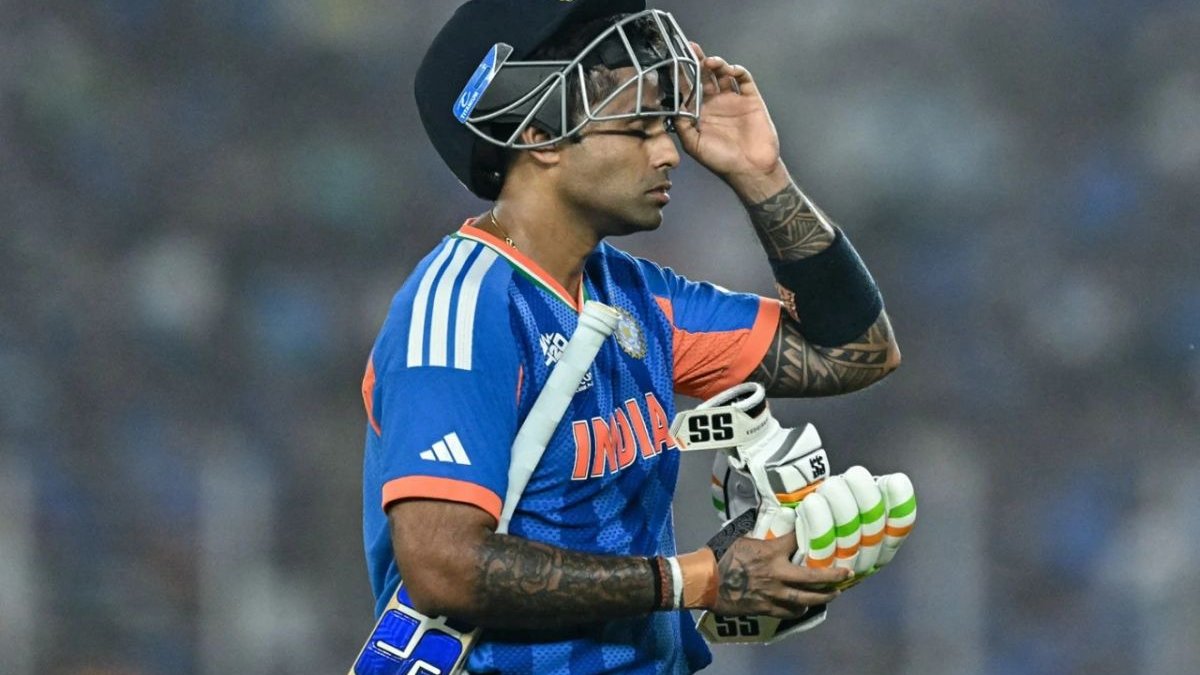
India walked into Ahmedabad carrying the confidence of an unbeaten run in ICC white-ball tournaments that had lasted more than two years. But in one dramatic evening at the Narendra Modi Stadium, South Africa exposed cracks that had remained hidden beneath India’s success. The 76-run defeat was not just a loss, it was a reminder that even the strongest teams have vulnerable areas.
Early Collapse Set the Tone
India’s chase of 187 never truly began. Ishan Kishan fell for a first-over duck to Aiden Markram, continuing the pattern of left-handers struggling against off-spin early. Abhishek Sharma, under pressure after a quiet tournament, looked unsure at the crease and eventually miscued a shot. Tilak Varma’s dismissal while attacking only deepened the crisis. At 26 for 3, India were already chasing the game.
Swing and Seam Trouble
The Ahmedabad surface offered seam movement and bounce under lights, and South Africa’s bowlers used it perfectly. Marco Jansen’s height and accuracy created an awkward bounce, while his clever knuckleball deceived Abhishek. India’s top order struggled to adjust to movement off the pitch, a weakness that becomes dangerous in knockout-style matches.
Middle Order Couldn’t Stabilize
India have often relied on their middle order to rescue difficult situations. This time, that cushion disappeared. Washington Sundar and Suryakumar Yadav fell in quick succession, and the scoreboard pressure kept rising. Instead of rebuilding, India lost wickets in clusters, a sign of panic rather than patience.
South Africa’s Counter-Attack Made the Difference
Earlier, India had reduced South Africa to 20 for 3, thanks to Jasprit Bumrah and Arshdeep Singh. But David Miller and Dewald Brevis turned the match with a fearless counter-attack. Their 97-run partnership shifted momentum, and Tristan Stubbs’ late hitting pushed the total to a match-winning 187.
India, by contrast, never produced a similar recovery.
Spin Didn’t Control the Middle Overs
Varun Chakaravarthy, usually India’s wicket-taking weapon, was attacked instead of feared. South Africa’s batters stayed back and punished anything overpitched. Without middle-overs control, India lost their grip on the game.
This defeat highlighted a few key concerns: vulnerability against early movement, left-handers struggling against off-spin, and the absence of a stabilizing partnership under pressure. It also showed how quickly T20 momentum can swing.
Yet, one defeat does not erase India’s dominance. Strong teams learn quickly, and India have the depth and experience to respond. Ahmedabad was not the end of the road, but it was a timely wake-up call.

More Cricket Stories

Cricket vibes: IPL 2027 Auction Date, Retention List, India vs Afghanistan 2nd T20I, Abhishek Sharma, Harshit Rana and ICC Rankings

Asian Games Cricket Quarter-Finals Confirmed: India vs Afghanistan, Full Fixtures Revealed

Asian Games 2026: Full List of India’s 85 Medal Winners, Gold, Silver and Bronze

India vs Afghanistan T20Is: Harshit Rana Ruled Out of Series and Asian Games 2026, Yash Thakur Gets Call-Up

Asian Games Cricket: Semi-Final Line-Up Confirmed After Rain Abandons All Four Quarter-Finals

Ashwin Questions BCCI CoE Injury Management, Raises Accountability Concerns

India vs West Indies 1st ODI: Virat Kohli 139, Shubman Gill Century Power India to 8-Wicket Win