Former Pakistan Head Coach Made Shocking Exposé, Said “Haven’t Seen It at That Level Before”
Pakistan cricket faces a deep internal crisis as Gary Kirsten exposes extreme interference, poor communication, and mismanagement, highlighting a system where instability, power struggles, and lack of accountability are hurting performance.
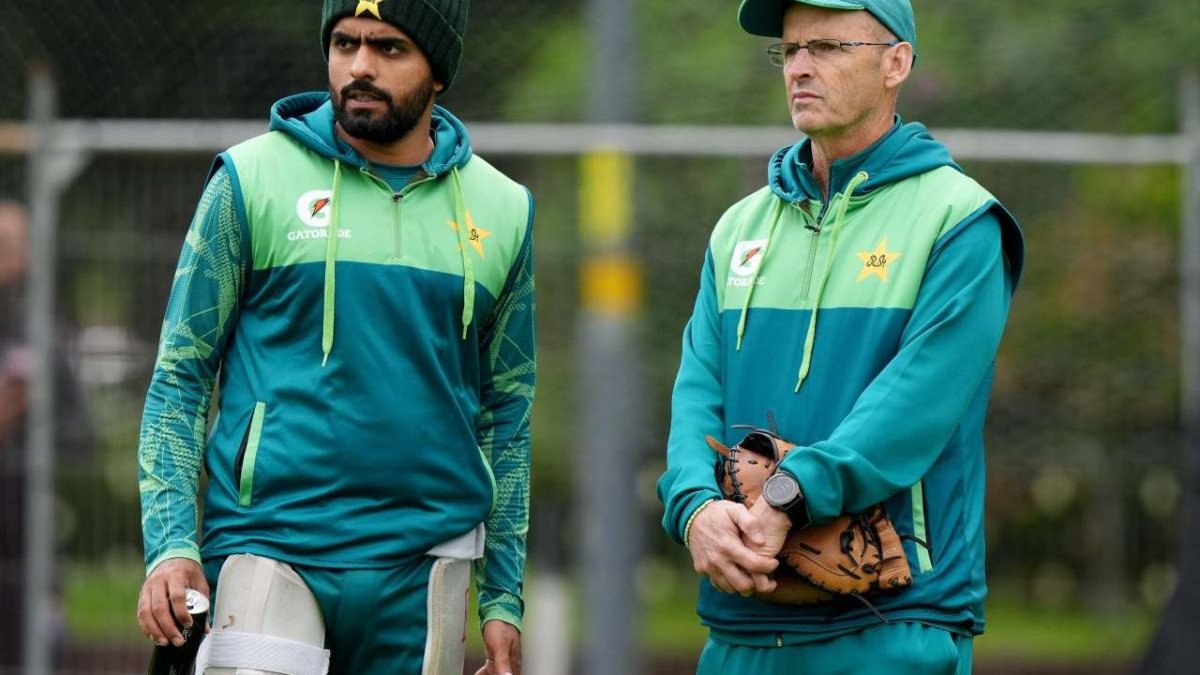
Pakistan cricket, once celebrated for its flair, unpredictability, and match-winning brilliance, now finds itself at a crossroads, and not for the right reasons. What was previously dismissed as inconsistency is now beginning to appear as a deep-rooted systemic failure. And this time, the alarm hasn’t been raised by critics or fans—but by insiders who have witnessed the system from within.
The most striking revelation came from former Pakistan head coach Gary Kirsten, a name that carries immense credibility in world cricket. Known for guiding India to the 2011 World Cup triumph and building successful teams across formats, Kirsten is not someone associated with controversy, which is exactly why his words have hit so hard.
He said, "The thing that surprised me was the level of interference. I don't think I have ever seen it at this level before. It is quite difficult to come and formulate a way that you can work with the players when there is just this constant noise from the outside."
There are two powerful takeaways from this statement: the level of interference and never seen it at that level before. This isn’t a rookie coach struggling to adapt, this is a seasoned professional who has worked in high-pressure environments and delivered results at the highest stage. For someone of his stature to make such a remark is not just criticism, it is an indictment of the system.
And perhaps the most telling detail? Kirsten didn’t even last a full year in the role. His early exit speaks louder than any press conference ever could. It reflects an environment where even the most experienced minds find it impossible to function.
But what makes the situation even more concerning is the response, or rather, the lack of it, from the top. PCB chief Mohsin Naqvi addressed the issue by saying, "I didn't have many interactions with Gary Kirsten, so it would be better if those people who were coordinating things with him and involved regularly with him responded in detail to his allegations."
Instead of addressing the allegations directly, this response seemed to distance leadership from responsibility. For many observers, it reinforced a worrying pattern, deflection over accountability.
And Kirsten’s concerns are not isolated. Another former coach, Jason Gillespie, had earlier voiced similar frustrations, stating, "The PCB sacked our senior assistant coach with zero communication with me about it. And, as Head Coach, I found this situation completely unacceptable. There were a number of other issues that left me completely humiliated."
Zero communication. Decisions taken behind the back of the head coach. A sense of humiliation. These are not minor operational issues, they point toward a fractured system where clarity, hierarchy, and professionalism are missing.
What exactly is going wrong?
The problem isn’t talent! Pakistan has always been a breeding ground for exceptional cricketers. The real issue lies in the noise surrounding the team. Too many power centers, too much external influence, and too many decisions being driven by factors beyond cricket. When multiple forces pull in different directions, the result is chaos, and that chaos inevitably trickles down to the players.
In the middle of this confusion, it is the team that suffers. Players are left without stability, coaches without authority, and plans without continuity. Over time, this creates a cycle of underperformance, frequent changes, and growing frustration.
And the damage doesn’t stop within the dressing room. When respected figures like Kirsten and Gillespie walk away and speak out, it sends a message to the global cricketing community. A message that Pakistan cricket, despite its immense potential, is struggling to offer a stable and professional environment.

More Cricket Stories

BCCI Confirms Goa as Venue for IPL 2027 Auction; Date, Schedule Window and Key Details

Mohammed Siraj Named Hyderabad Captain for Ranji Trophy 2026-27; Full Squad Announced

ICC Men’s Cricket World Cup 2027 Fixtures: India, Australia, Pakistan, England and South Africa Learn Their Road to the Final

England Set to Appoint Eric Simons as Bowling Coach After Ben Stokes’ Praise

Asian Games 2026: Full List of India’s 85 Medal Winners, Gold, Silver and Bronze

India vs West Indies 1st ODI: Virat Kohli 139, Shubman Gill Century Power India to 8-Wicket Win

Nepal vs Bangladesh T20I Series 2027: Schedule, Date, Venue and Latest Updates