Asia Cup History of Boycotts – From 1986 to 2025, How Politics Changed the Game

The Asia Cup was created to bring Asian cricketing nations closer, but over the years it has often been shaken by politics, boycotts, and cancellations. What should have been a celebration of sport has sometimes turned into a reminder of how deeply political realities influence cricket in the subcontinent. The recent 2025 handshake row and Pakistan’s threat to boycott their match against UAE has again raised old questions: Can the Asia Cup ever stay free from politics?
 Asia Cup History of Boycotts – From 1986 to 2025
The First Boycott – 1986 (India skips Sri Lanka edition)
The second edition of the Asia Cup in 1986 was held in Sri Lanka. But India refused to participate, citing strained political relations with the host nation. The absence of one of the strongest teams weakened the tournament’s credibility. Sri Lanka went on to win that edition, defeating Pakistan in the final.
1990 – Pakistan skips the Asia Cup in India
Four years later, when India hosted the 1990 Asia Cup, Pakistan pulled out. The decision came against the backdrop of tense political ties between New Delhi and Islamabad. Without Pakistan, the tournament lost much of its competitive edge. India eventually lifted the trophy by beating Sri Lanka in the Kolkata final.
1993 – No Asia Cup at all
By 1993, the rivalry between India and Pakistan had worsened to such an extent that the tournament was cancelled altogether. This remains the only edition of the Asia Cup that never took place. It was a clear example of how off-field disputes can overshadow the spirit of the game.
2002 – Rain, but also rising tensions
The 2002 edition in Colombo was rain-affected, and while the matches were washed out, the political atmosphere between India and Pakistan remained uneasy. Shared trophy between India and Sri Lanka may have been symbolic, but the shadow of politics was still present in the background.
2008 – Mumbai attacks and a chill in ties
Though the 2008 Asia Cup went ahead in Pakistan, just months later the Mumbai terror attacks completely froze India-Pakistan cricketing ties. While not a boycott inside the Asia Cup, the aftermath ensured bilateral series were stopped, and Asia Cup fixtures became the only platform where the two teams could meet.
2018 – UAE as a neutral host
The 2018 edition was shifted to the UAE instead of India or Pakistan, mainly due to India’s reluctance to travel to Pakistan and security concerns. Neutral venues have often been used as a compromise when politics threatened to derail the tournament.
2023 – Hybrid model controversy
In 2023, the Asia Cup saw yet another political twist when Pakistan was the official host, but India refused to travel there. The Asian Cricket Council (ACC) introduced a “hybrid model” where some matches were played in Pakistan and the rest in Sri Lanka. The model drew criticism but was the only way to keep India in the competition.
2025 – Handshake row and boycott threats
Fast forward to the ongoing Asia Cup 2025 in Dubai, where India’s refusal to shake hands with Pakistani players after their group-stage clash sparked a massive controversy. The Pakistan Cricket Board (PCB) went so far as to demand the removal of match referee Andy Pycroft and even threatened to boycott their next match against the UAE. If carried out, this could see Pakistan eliminated via walkover, allowing UAE to join India in the Super 4s.
First-ever handshake boycott at Asia Cup
In this 2025 edition, both the toss handshake and post-match handshakes were skipped — marking the first time in Asia Cup history that such a gesture was deliberately omitted. Indian captain Suryakumar Yadav said it was a personal decision dedicated to the Indian Armed Forces, while Pakistan players lined up in expectation only to see India walk away. This incident added a new layer to the history of boycotts in the tournament.
Politics and Cricket – A Never-Ending Dance
From 1986 to 2025, the Asia Cup has repeatedly shown how cricket in the region cannot fully escape politics. Rivalries, diplomatic tensions, and symbolic gestures have often dictated participation. While fans yearn for cricket to rise above politics, the reality is that the Asia Cup has often mirrored the volatile relations between its member nations.
One thing, however, has remained constant: despite the controversies, when the games do happen, they still capture the passion of millions. The Asia Cup continues to remind us that cricket is not just a sport in South Asia — it’s tied to identity, pride, and politics in ways few other tournaments are.

More Cricket Stories

Suresh Raina Breaks Silence on CSK Batting Coach Role Ahead of IPL 2027

India vs West Indies 1st ODI: Virat Kohli 139, Shubman Gill Century Power India to 8-Wicket Win
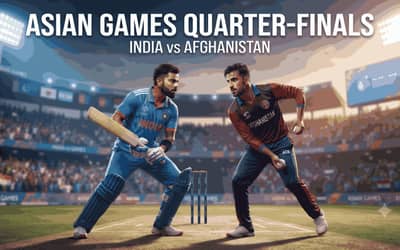
Asian Games Cricket Quarter-Finals Confirmed: India vs Afghanistan, Full Fixtures Revealed

Ashwin Questions BCCI CoE Injury Management, Raises Accountability Concerns
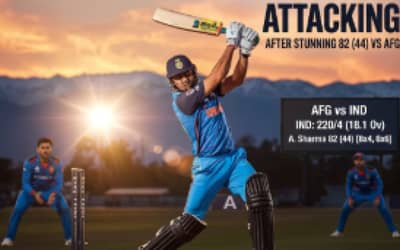
IND vs AFG: Abhishek Sharma Vows to Keep Attacking After Stunning 82 Against Afghanistan

India vs Afghanistan T20Is: Harshit Rana Ruled Out of Series and Asian Games 2026, Yash Thakur Gets Call-Up
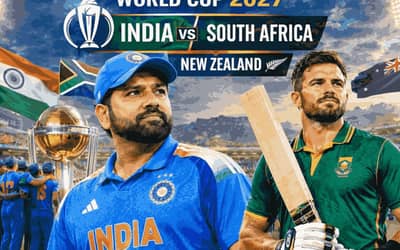
ICC Men’s Cricket World Cup 2027 Fixtures: India, Australia, Pakistan, England and South Africa Learn Their Road to the Final
