Cricket Rules In Five Clear Steps
Cricket looks complex until the basic structure is seen. Once format, innings, and overs are understood, the rest feels natural. A ball is delivered, runs are scored, wickets change the story, and the scoreboard presents a clear chase or defense. The aim here is practical clarity that works for a first full broadcast and for quick highlight reels.
Many newcomers meet the sport while browsing schedules and previews that also mention offers such as promocode 4rabet. The promo is not the lesson, yet match pages often organize the same essentials a viewer needs. Read a short preview, note the format and overs, check who bats first, and the game becomes easy to follow from the opening delivery.
Five steps to understand a match today
Begin with the format. A Test can last up to five days with two innings per side, so planning spans sessions and conditions evolve. An ODI fits a complete story into one day with fifty overs per team, so pacing by phases matters. A T20 condenses the action into an evening with twenty overs per side, which rewards rapid choices.
Next, note who bats first. The toss sets a target and a chase. In limited overs cricket the first innings builds a score while the second tracks a required rate. Then focus on overs as chapters. An over is six legal balls from one end and it regulates rhythm through powerplays, middle control, and death overs.
Keep attention on wickets because they flip momentum. Partnerships bring stability, while a cluster of dismissals can undo a fine run rate. Finally, during a chase read the required rate. If it climbs, risk must rise. If it falls, calm rotation often wins.
What innings really deliver
An innings is a turn to bat. In Tests the two turns per side allow declarations and long comebacks. In ODIs and T20s there is one turn with a firm overs limit, so pacing becomes the heart of strategy. Middle overs usually ask for rotation and placement. Powerplays and closing overs reward calculated bursts. Field settings mirror these phases and reveal intent without a single word from the commentary box.
Conditions shape innings as much as talent. Morning cloud can help seam. Late afternoon dryness can help spin. A fresh white ball swings early then settles. A red ball behaves differently across sessions. Once format and conditions are known, bowling plans and batting responses make sense even to a first time viewer.
How overs control rhythm
Overs are small packets of pressure. Each set of six balls comes from one bowler and from one end. Change of ends changes angles and wind. Captains stack overs to build pressure, save specialists for key windows, and protect vulnerable phases. A maiden over gives the fielding side momentum. A boundary heavy over lifts the batting side. Wide balls and no balls add extra deliveries, so an over can extend, and free hits in white ball cricket can release pressure. Watching the count and the outcomes inside an over helps predict when a captain will swap bowlers or when a batter will target a specific length.
One table for quick reference
The table collects two essentials in one glance. The upper rows cover common dismissals a newcomer is likely to see. The lower rows act as a simple viewing routine that keeps a first broadcast calm and readable.
| Item | Quick meaning | What to watch |
|---|---|---|
| Format | Test two innings per side over up to five days. ODI fifty overs per team in one day. T20 twenty overs per team in an evening | Tempo shifts by format. Expect patience in Tests, phases in ODI, bursts in T20 |
| Toss | Winner chooses to bat or field first which sets target and chase | Why the choice fits pitch and conditions, especially under lights |
| Over | Set of six legal balls from one end that frames rhythm | Powerplay fields early, death overs plans late, captain’s bowling changes |
| Wickets and partnerships | Dismissals flip momentum while steady pairs calm the innings | Clusters of wickets after pressure overs, partnerships that rebuild |
| Required rate | Runs needed per over during a chase that guides risk | If it climbs expect acceleration, if it falls expect rotation and low risk shots |
| Dismissal caught | Ball hits bat and is taken cleanly before bouncing | Edges to slips, high outfield takes after mistimed lofts |
| Dismissal LBW | Pad blocks a ball that would have hit the stumps | Umpire call, review graphics for line and height |
| Dismissal run out | Fielder breaks stumps before the batter makes the ground | Risky singles, sharp throws from the circle, tight third umpire checks |
Pacing a viewing session
A newcomer gains most by following one team for a short run across formats. Patterns appear quickly. An opener who values leaves in Tests may attack early in T20. A wrist spinner who controls middle overs in ODI may use different fields at different grounds. The same players look new when the format changes because overs and innings reset incentives. Short highlights help, but a single live phase teaches more. Pick a powerplay or the final ten overs and listen for cues about lines, lengths, and field shapes. Pause after a wicket and note how the plan shifts.
Final view
Cricket becomes simple when format, innings, and overs are treated as a scaffold. Format sets the day, innings deliver the narrative, and overs create the beat. With those three in mind the table above turns commentary from noise into guidance. A first full match then feels like a clear story with readable chapters and a finish that makes sense.

More Cricket Stories

ICC ODI Rankings: Virat Kohli Rises to No. 2 After West Indies Masterclass

PSL 2026 Qualified Teams, Qualification Scenario For the Last Spot! Lahore Qalandars or Hyderabad Kingsmen, Who Will Qualify For The Playoffs?
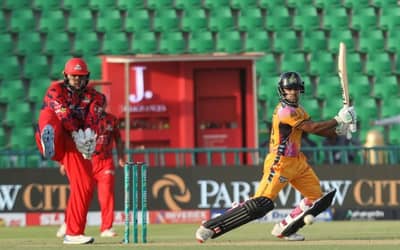
(25 April) Latest Pakistan Super League 2026 Points Table, Most Runs, Wickets, Sixes & Full Stats
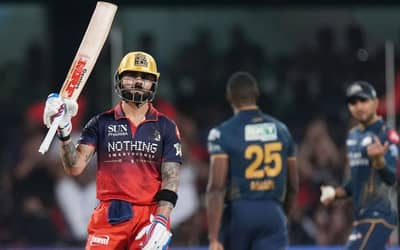
(25 April) Latest IPL 2026 Points Table, VIrat Kohli's Orange Cap, Kamboj's Purple Cap, Most Sixes, Fours and Other Stats
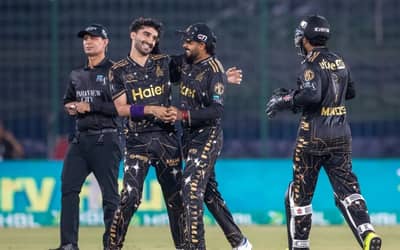
14 April PSL 2026 Points Table Latest Updated, Most Runs, Most Wickets and Other Interesting Stats
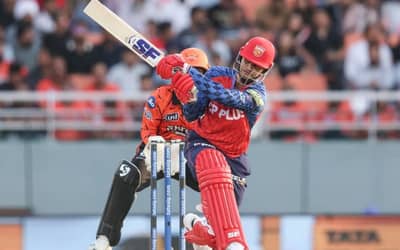
(12 April) IPL 2026 Points Table Latest Update, Orange Cap, Purple Cap and Other Stats
(8 April 2026) PSL 2026 Points Table Updated After Multan Sultans' Domination Over Pindiz